The bottom bracket is often the most overlooked component of a modern bicycle frame, yet it serves as the critical heart of the drivetrain. Situated at the lowest point of the frame where the seat tube, down tube, and chainstays meet, this component houses the spindle and bearings that allow the crankset to rotate freely. For B2B buyers and bicycle manufacturers, understanding the mechanical integrity of this part is essential for ensuring product longevity and rider satisfaction. A high quality bearing bracket must withstand immense lateral forces while maintaining a low friction coefficient to ensure maximum power transfer from the rider to the rear wheel.
The bottom bracket matters more than you think because it is the primary junction for power transfer, structural rigidity, and mechanical efficiency in a bicycle. A high performance bearing bracket utilizing CNC machined bicycle parts ensures that the spindle rotates with minimal resistance, prevents creaking under high torque, and protects internal components from environmental contaminants, ultimately determining the ride quality and durability of the entire bicycle assembly.
In the following comprehensive guide, we will explore the technical nuances of bottom bracket design, the manufacturing excellence behind CNC machined bicycle parts, and why sourcing the right bearing bracket is a pivotal decision for high end bicycle production. We will delve into the materials, tolerances, and engineering standards required to produce professional grade cycling components that meet global market demands.
Table of Contents
The Critical Role of the Bearing Bracket in Drivetrain Efficiency
Engineering Precision with CNC Machined Bicycle Parts
Understanding Standardized Fitment and Bearing Bracket Interfaces
Material Science in High Performance Bearing Bracket Production
How CNC Machined Bicycle Parts Reduce Mechanical Friction
The Impact of Bearing Bracket Rigidity on Power Transfer
Maintenance and Longevity of Industrial Grade Bearing Brackets
Sourcing Strategic CNC Machined Bicycle Parts for B2B Manufacturing
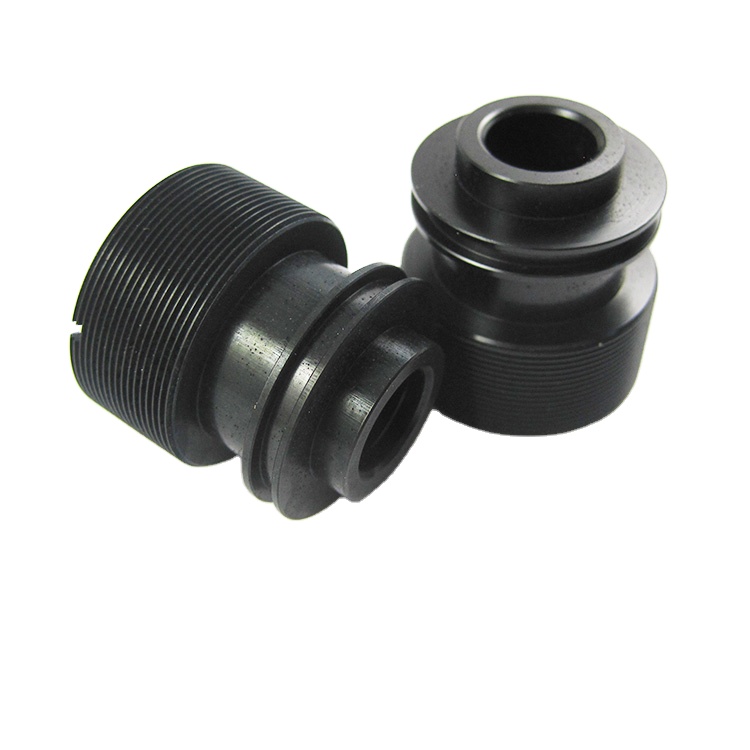
The Critical Role of the Bearing Bracket in Drivetrain Efficiency
A bearing bracket acts as the fundamental rotational interface that translates vertical pedaling force into circular kinetic energy while supporting the entire weight of the rider.
The mechanical efficiency of a bicycle is largely dictated by how well the bearing bracket manages friction. In a B2B context, sourcing a bearing bracket that features high precision internal races is vital for reducing energy loss. When a rider applies pressure to the pedals, the force travels through the crank arms to the spindle. If the bearing bracket exhibits even microscopic play or misalignment, that energy is dissipated as heat or vibration rather than forward motion.
Furthermore, the bearing bracket must act as a stabilizer for the frame. Because it is positioned at the intersection of the main frame tubes, it is subjected to massive torsional stress. Professional grade CNC machined bicycle parts are designed to resist this twisting, ensuring that the chainline remains consistent even during high intensity sprints or steep climbs. This stability prevents ghost shifting and premature wear on the chain and chainrings.
Finally, the role of the bearing bracket extends to environmental protection. Since it sits low to the ground, it is constantly bombarded by road grit, water, and mud. A superior bearing bracket design incorporates advanced sealing technologies that protect the internal ball bearings. By utilizing CNC machined bicycle parts with tight tolerances, manufacturers can create a labyrinth seal effect that keeps contaminants out while retaining essential lubrication for thousands of kilometers of use.
Engineering Precision with CNC Machined Bicycle Parts
CNC machined bicycle parts represent the pinnacle of manufacturing accuracy, allowing for tolerances as tight as 0.01mm which are necessary for silent and smooth bearing bracket operation.
The transition from cast or forged components to CNC machined bicycle parts has revolutionized the cycling industry. Computer Numerical Control (CNC) milling allows for the removal of material from a solid block of aerospace grade aluminum or stainless steel with extreme repeatability. This process is essential for creating a bearing bracket because the internal bore must be perfectly round and concentric. Any deviation in the circularity of the bearing seat will lead to uneven loading on the bearings, resulting in the dreaded "creaking" sound that plagues lower quality bicycles.
In the production of a bearing bracket, the threading or press fit surfaces must be exact. For threaded systems like BSA or Italian standards, CNC machined bicycle parts ensure that the threads are sharp and correctly pitched, preventing cross threading during assembly. For modern press fit standards like BB86 or PF30, the outer diameter of the bearing bracket must match the inner diameter of the frame shell perfectly. CNC machining provides the surface finish necessary to create a secure friction fit without the need for excessive adhesives or shims.
Moreover, the use of CNC machined bicycle parts allows for strategic weight reduction. Through a process called pocketing or scalloping, engineers can remove non structural material from the bearing bracket housing without compromising its strength. This results in a component that is both lighter and stiffer than traditional alternatives. For B2B clients looking to market "lightweight" or "race ready" frames, the inclusion of CNC machined components is a significant selling point that justifies a premium price tier.
| Feature | Cast Components | CNC Machined Bicycle Parts |
| Tolerance Levels | Low to Moderate | Extremely High (Micron Level) |
| Surface Finish | Rough / Requires Sanding | Mirror Like / Anodized Ready |
| Material Density | Variable (Porous) | High (Solid Billet) |
| Customization | Expensive Molds | Easy Software Adjustments |
| Bearing Bracket Fit | Likely to Creak | Secure and Silent |
Understanding Standardized Fitment and Bearing Bracket Interfaces
Selecting the correct bearing bracket requires a deep understanding of frame shell widths and spindle diameters to ensure total compatibility with CNC machined bicycle parts.
The landscape of bicycle standards is notoriously complex, making the selection of a bearing bracket a technical challenge for procurement teams. Whether a frame utilizes a threaded shell or a smooth bore press fit shell, the bearing bracket must bridge the gap between the frame and the crankset. Common spindle diameters include 24mm (Shimano standard), 30mm (BB30/DUB), and 28.99mm (SRAM DUB). A high quality bearing bracket manufacturer offers diverse solutions to adapt these various diameters to different frame types using CNC machined bicycle parts as adapters or dedicated units.
In the realm of B2B distribution, providing a versatile bearing bracket lineup is essential. For instance, a T47 bearing bracket combines the benefits of a large 30mm spindle with the reliability of a threaded interface. This specific standard relies heavily on CNC machined bicycle parts because the thin walls of the threaded cups require high tensile strength materials to prevent deformation under torque. Understanding these interfaces allows manufacturers to specify components that reduce assembly time and post sale maintenance requests.
Additionally, the width of the bearing bracket shell varies between road (68mm) and mountain bike (73mm or wider) applications. The internal spacers and external cups must be machined to precise lengths to ensure the "Q-factor" or the distance between the pedals remains ergonomic. By utilizing CNC machined bicycle parts, these spacers can be produced with parallel faces, ensuring that the bearings are not preloaded unevenly when the crank bolts are tightened. This level of precision is what separates a consumer grade product from a professional grade industrial component.
Material Science in High Performance Bearing Bracket Production
High performance bearing bracket units are typically crafted from 7075-T6 aluminum or high grade stainless steel to provide the optimal balance of weight, stiffness, and corrosion resistance.
Material selection is the foundation of any bearing bracket that claims to be "high performance." 7075-T6 aluminum is frequently the material of choice for CNC machined bicycle parts because of its excellent strength to weight ratio, often surpassing certain steel alloys. In a bearing bracket, the shell must resist the constant expansion and contraction caused by temperature changes while maintaining its grip on the bearings. Aluminum’s natural oxide layer, often enhanced by decorative and protective anodizing, ensures that the bearing bracket remains immune to the corrosive effects of sweat and road salt.
Beyond the housing, the internal bearings of the bearing bracket are where the true science happens. B2B suppliers often offer a choice between high chromium steel bearings and ceramic hybrid bearings. While steel is the industry standard for durability and cost effectiveness, ceramic bearings housed in CNC machined bicycle parts offer a lower thermal expansion coefficient and reduced rolling resistance. For elite racing applications, a ceramic bearing bracket is often the preferred choice because the harder ceramic balls do not deform under high loads, maintaining a perfect spherical shape.
The interaction between the bearing bracket material and the frame material (carbon fiber, titanium, or aluminum) must also be considered. Galvanic corrosion can occur if dissimilar metals are in contact without a proper barrier. Superior CNC machined bicycle parts often feature specialized coatings or are designed to be used with specific greases that act as an isolator. This attention to detail in material science ensures that the bearing bracket can be removed for service years later without being "seized" into the frame, a common failure point in poorly engineered bicycles.
How CNC Machined Bicycle Parts Reduce Mechanical Friction
Precision CNC machined bicycle parts minimize mechanical friction by ensuring perfect axial alignment of the bearings within the bearing bracket housing.
Friction is the enemy of speed. In a bearing bracket, friction originates from two main sources: seal drag and bearing misalignment. When a bearing bracket is manufactured using CNC machined bicycle parts, the bearing seats are machined in a single operation to ensure they are perfectly parallel. If the two bearings are even slightly tilted relative to each other, the spindle will bind, significantly increasing the watts required to turn the pedals. Professional B2B components undergo rigorous QC to ensure that axial runout is virtually non-existent.
The surface roughness of the bearing races also plays a massive role. CNC machined bicycle parts can be polished to a sub micron finish before the bearings are pressed in. This smooth surface allows the lubricant—whether it is low friction oil or long life grease—to form a consistent hydrodynamic film. In a bearing bracket, this film prevents metal to metal contact, allowing the balls to glide over the race. For competitive cyclists, saving 0.5 to 2 watts through a high efficiency bearing bracket can be the difference between a podium finish and a mid pack result.
Finally, the design of the seals in CNC machined bicycle parts involves a delicate balance. A "heavy" seal provides maximum protection but creates drag, while a "non contact" seal rotates freely but allows dirt to enter. Advanced bearing bracket designs use CNC machined grooves to hold "labyrinth" seals. These seals use a complex path to make it difficult for water to enter without actually touching the rotating spindle. This engineering feat is only possible through high precision machining, providing the B2B market with a product that is both fast and durable.
The Impact of Bearing Bracket Rigidity on Power Transfer
Bearing bracket rigidity refers to the component's ability to resist deflection under the massive leverage exerted by the crank arms during heavy pedaling.
When a cyclist stands up to sprint, they are not just pushing down; they are pulling on the handlebars and twisting the frame. The bearing bracket is the fulcrum of this movement. If the bearing bracket shell is made from soft, low quality metal rather than high strength CNC machined bicycle parts, the shell will flex. This flex causes the chainrings to move slightly out of alignment with the front derailleur, which can cause the chain to rub or even drop. A rigid bearing bracket ensures that 100% of the force is transmitted through the drivetrain.
The integration of the bearing bracket with the spindle is also a factor in rigidity. Large diameter spindles (30mm) require larger bearings and a larger bearing bracket housing. By using CNC machined bicycle parts, manufacturers can create oversized shells that have a larger surface area contact with the frame. This "oversized" philosophy is a core trend in the B2B cycling industry, as it allows for stiffer frames without adding significant weight. The bearing bracket essentially becomes a structural member of the frame rather than just a housing for parts.
Moreover, the rigidity of the bearing bracket affects the longevity of the bearings themselves. In a flexible system, the bearings are subjected to "edge loading," where the force is concentrated on the edge of the bearing balls rather than the center. This leads to rapid pitting and failure. A rigid, CNC machined bicycle parts assembly keeps the load centered, dramatically extending the service life of the bearing bracket. For commercial fleet operators or bike share programs, this durability is a key metric in reducing total cost of ownership.
Maintenance and Longevity of Industrial Grade Bearing Brackets
Industrial grade bearing bracket units designed with CNC machined bicycle parts offer a modular architecture that allows for easy bearing replacement without discarding the entire housing.
One of the hallmarks of a high quality B2B bearing bracket is "serviceability." Cheap, disposable bottom brackets are often pressed together in a way that makes repair impossible. In contrast, a premium bearing bracket utilizing CNC machined bicycle parts features removable snap rings or threaded caps. This allows a mechanic to press out worn bearings and press in new ones, keeping the high value CNC machined housing in use for the lifetime of the bicycle. This sustainable approach is increasingly favored by environmentally conscious brands and high end workshops.
To maintain a bearing bracket, regular inspection is required to check for "play" (side to side movement) or roughness. Because CNC machined bicycle parts have such tight tolerances, any contamination is usually felt immediately as a "gritty" sensation in the pedals. High end bearing bracket models often include external grease ports or are designed to be easily disassembled with standard shop tools. Providing B2B clients with clear maintenance protocols and compatible replacement bearings ensures a long term partnership based on product reliability.
Longevity is also enhanced by the superior finishing processes applied to CNC machined bicycle parts. Hard anodizing (Type III) creates a ceramic like surface on the aluminum bearing bracket that is incredibly resistant to scratches and chemical cleaning agents. Unlike painted or powder coated parts, the dimensions of an anodized bearing bracket do not change, ensuring that the fit remains perfect even after years of use. This level of industrial engineering is what makes the bearing bracket a "fit and forget" component for most riders.
| Maintenance Task | Frequency | Benefit |
| External Cleaning | After every wet ride | Prevents grit from entering seals |
| Re-greasing | Every 3,000 - 5,000 km | Maintains low friction and seal integrity |
| Bearing Replacement | When roughness is felt | Restores like new performance |
| Torque Check | Every 1,000 km | Prevents creaking and frame damage |
Sourcing Strategic CNC Machined Bicycle Parts for B2B Manufacturing
For bicycle manufacturers and wholesalers, sourcing a bearing bracket from a specialist in CNC machined bicycle parts is the most effective way to guarantee component quality and supply chain stability.
In the global B2B marketplace, the "make or buy" decision for components like the bearing bracket is crucial. Partnering with a dedicated CNC machining facility allows bike brands to leverage expert knowledge in metallurgy and precision engineering without investing in their own multi million dollar machinery. A specialized manufacturer of CNC machined bicycle parts can provide custom branded bearing bracket solutions that match the specific aesthetic and technical requirements of a new frame design, providing a competitive edge in a crowded market.
Quality assurance is another major advantage of professional sourcing. A reputable supplier of bearing bracket units will employ CMM (Coordinate Measuring Machine) testing to verify that every batch of CNC machined bicycle parts meets the required specifications. For B2B buyers, this reduces the risk of "warranty epidemics" where a faulty batch of components leads to mass recalls. By insisting on CNC machined bicycle parts, brands can market their products with confidence, knowing the "heart" of their bike is built to last.
Finally, the flexibility of CNC machining allows for rapid prototyping. If a B2B client wants to test a new bearing bracket standard or a different bearing configuration, CNC machined bicycle parts can be produced in small batches for testing without the need for expensive tooling. This agility is vital in the fast paced cycling industry, where standards evolve every few years. Investing in high quality bearing bracket technology is not just about the current product line—it is about building a foundation of mechanical excellence that carries a brand forward.
Conclusion
The bearing bracket is far more than a simple tube with bearings; it is a high precision engineered component that defines the efficiency, rigidity, and soul of a bicycle. By utilizing CNC machined bicycle parts, manufacturers can overcome the traditional challenges of friction, weight, and durability. Whether you are a frame builder looking for the perfect interface or a wholesaler seeking reliable B2B components, focusing on the quality of the bearing bracket is the most direct path to a superior riding experience. As bicycle technology continues to advance, the demand for precision machined bearing bracket solutions will only grow, cementing its status as the most important part of the modern drivetrain.


