The bottom bracket is the heart of any bicycle frame, acting as the crucial interface between the rider's pedaling force and the drivetrain. Selecting the right bearing bracket components ensures that power transfer is maximized while mechanical friction is kept to an absolute minimum. In the modern cycling industry, precision engineering has transformed this simple component into a high-performance assembly often featuring CNC machined bicycle parts to meet the rigorous demands of professional racing and daily commuting alike.
A bottom bracket is the bearing system that fits inside the bottom bracket shell of a bicycle frame, allowing the crankset to rotate freely. It consists of an axle (spindle) and bearings contained within a housing or cups. High-quality bearing bracket solutions utilize precision-grade materials and CNC machined bicycle parts to ensure perfect alignment, durability, and a smooth pedaling experience across various frame standards like BSA, BB30, or PF30.
Understanding the nuances of bottom bracket standards can be a daunting task for many cyclists and retailers. However, by focusing on the quality of the internal bearings and the precision of the housing, one can significantly extend the lifespan of the bicycle's drivetrain. This guide explores the technical differences in bearing construction, maintenance protocols, and material science that define the modern bearing bracket.
Whether you are looking to upgrade your road bike for better efficiency or seeking durable CNC machined bicycle parts for mountain biking, the following sections will provide a deep dive into the mechanical heart of your bike.
Table of Contents
What's the difference between radial and angular contact bearings?
How should I service or maintain my bottom bracket?
What's the difference between Ceramic, Steel, or Stainless Steel bottom bracket bearings?
Understanding Bottom Bracket Standards and Compatibility
The Role of CNC Machining in High-Performance Bottom Brackets
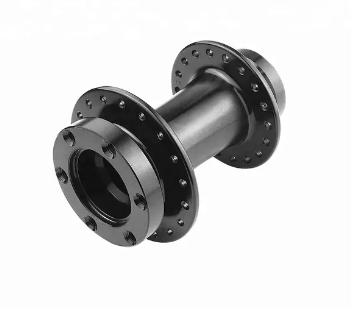
What's the difference between radial and angular contact bearings?
The primary difference lies in how they handle physical loads: radial bearings are designed to manage forces perpendicular to the axle, while angular contact bearings are engineered to handle both radial and lateral (axial) loads simultaneously. In a bearing bracket application, angular contact designs are often preferred because they can be adjusted to remove play and better withstand the side-loading forces generated during out-of-the-saddle pedaling.
In a standard radial bearing, the balls make contact with the inner and outer races at a single point aligned with the radius of the circle. This is highly efficient for pure rotation but lacks stability when subjected to side loads. When a cyclist pushes down on the pedals, the force isn't just vertical; there is a significant amount of lateral leverage that tries to tilt the crankset. Radial bearings can wear prematurely under these conditions as the balls "pinch" against the edges of the races.
Angular contact bearings feature asymmetrical races. The contact point between the ball and the race is at an angle, typically around 15 to 45 degrees. This geometry creates a much larger surface area for distributing force, making the bearing bracket significantly stiffer and more durable. Because the races are angled, these bearings can be pre-loaded using a tensioning system to eliminate any "creaking" or movement between the spindle and the frame.
Furthermore, the integration of CNC machined bicycle parts in angular contact systems allows for tighter tolerances. When the bearing seats are machined with extreme precision, the alignment between the two sides of the bottom bracket is nearly perfect. This reduces the friction that occurs when bearings are slightly "cocked" in the frame, ensuring that your bearing bracket remains silent and smooth for thousands of kilometers.
How should I service or maintain my bottom bracket?
To maintain a bearing bracket effectively, you should regularly clean the external seals, check for lateral play in the cranks, and perform a full "degrease and re-grease" service at least once a season or more frequently if riding in wet conditions. Proper maintenance ensures that the CNC machined bicycle parts remain free of grit and corrosion, which are the leading causes of bearing failure and frame noise.
The first step in servicing any bearing bracket is a thorough inspection. You should remove the chain from the front chainrings and spin the cranks by hand. Any feeling of "grittiness" or resistance indicates that dirt has bypassed the seals or the grease has broken down. By using high-quality CNC machined bicycle parts for the bearing cups, you often have a more stable platform for maintenance, as these parts are less likely to deform during the removal and installation process compared to plastic or low-grade alloy alternatives.
For a deep service, the crankset must be removed to access the bearing seals. Once the seals are carefully lifted, the old grease should be flushed out using a bike-specific degreaser. It is vital to dry the bearings completely before applying fresh, high-pressure waterproof grease. Because the bearing bracket is located at the lowest point of the frame, it is prone to collecting water that drains down the seat tube; applying a thin layer of grease to the interface between the frame and the bracket can prevent "creaking" caused by galvanic corrosion.
Frequent checks of the torque settings are also essential. Over-tightening a bottom bracket can crush the bearings, while under-tightening leads to movement that can damage the frame's bottom bracket shell. Utilizing precision-made CNC machined bicycle parts ensures that the threads or press-fit surfaces match the frame's specifications exactly, making the maintenance process more predictable and reducing the risk of stripping threads or damaging the bearing races during a rebuild.
What's the difference between Ceramic, Steel, or Stainless Steel bottom bracket bearings?
The difference between these materials comes down to a trade-off between rotational friction, hardness, and corrosion resistance: ceramic bearings offer the lowest friction and highest hardness; stainless steel provides the best protection against rust in wet environments; and standard high-carbon steel offers the best value and impact resistance for general riding. Choosing the right material for your bearing bracket depends on your specific riding environment and performance goals.
Ceramic bearings, often found in high-end bearing bracket setups, use silicon nitride balls which are 30% lighter and significantly harder than steel. Because they are smoother and perfectly spherical, they reduce "rolling resistance," allowing the rider to save a few watts of energy. However, ceramic balls are so hard that they can wear out steel races quickly if any dirt enters the system. This makes them ideal for racing but requires more frequent maintenance than steel counterparts.
Stainless steel bearings are the "workhorse" for riders in rainy or coastal climates. Unlike standard high-carbon steel, stainless alloys contain chromium which prevents the bearing bracket from seizing due to rust. While they are slightly softer than carbon steel—meaning they might wear out a bit faster under extreme loads—the trade-off is worth it for the peace of mind in harsh conditions. High-quality CNC machined bicycle parts often utilize stainless steel races to ensure the longevity of the entire assembly.
For most cyclists, high-quality chrome steel (such as 52100 grade) is the standard. These bearings are incredibly tough and can handle the high-impact loads of mountain biking or rough roads. When paired with precision-engineered CNC machined bicycle parts, steel bearings offer a smooth, reliable performance that balances cost and efficiency. Below is a comparison of the three common materials:
Ceramic: Highest speed, lowest weight, requires high maintenance, expensive.
Stainless Steel: High corrosion resistance, ideal for wet weather, moderate price.
Chrome Steel: Great durability, best value, prone to rust if not greased regularly.
Understanding Bottom Bracket Standards and Compatibility
Navigating the world of bearing bracket standards can be confusing due to the variety of shell widths and diameters. Historically, the "Threaded BSA" standard was universal, but the drive for stiffer and lighter frames led to the rise of "Press-Fit" systems like BB30 and PF30. These systems rely heavily on the precision of CNC machined bicycle parts to ensure that the bearings sit perfectly square within the frame.
When a frame is manufactured, the tolerances of the bottom bracket shell might not be perfect. This is where high-quality CNC machined bicycle parts come into play. Aftermarket bearing bracket solutions often feature "thread-together" press-fit cups. These cups screw into each other inside the frame, effectively turning a press-fit system into a rigid, threaded unit. This alignment significantly reduces the chances of the infamous "BB creak" that plagues many modern carbon fiber bicycles.
Common Standards at a Glance
Threaded (BSA/English): 68mm or 73mm width. Very reliable and easy to service.
BB30: Bearings press directly into the frame. Requires high-precision machining.
PF30: Bearings are housed in a plastic or aluminum cup which is then pressed into the frame.
T47: A newer standard that combines the size of Press-Fit with the reliability of threads.
The Role of CNC Machining in High-Performance Bottom Brackets
The precision of a bearing bracket is only as good as the tools used to create it. CNC machined bicycle parts are essential for achieving the micron-level tolerances required for modern drivetrains. In traditional casting or stamping, there is a higher margin for error, which can lead to misaligned bearings. Misalignment is the primary cause of friction; even a fraction of a millimeter of tilt can cause the bearings to wear unevenly and drag.
By using Computer Numerical Control (CNC) technology, manufacturers can produce bearing bracket cups from solid blocks of aerospace-grade aluminum. This process ensures that the bearing seats are perfectly concentric. When you install a bearing bracket made from CNC machined bicycle parts, you are ensuring that the left and right bearings are perfectly "in line" with each other, which translates to a smoother pedal stroke and longer component life.
Furthermore, CNC machining allows for complex internal geometries that can incorporate better sealing systems. These seals protect the delicate internal bearing bracket components from water, mud, and road salt. For any B2B buyer or cycling enthusiast, investing in CNC machined bicycle parts for the drivetrain is the most effective way to ensure mechanical reliability and performance consistency over thousands of miles.
Summary
In conclusion, the bearing bracket is a fundamental component that dictates the efficiency and "feel" of a bicycle. Whether you choose angular contact bearings for their lateral stability or ceramic materials for their low-friction properties, the quality of the engineering is paramount. High-performance cycling relies on the precision of CNC machined bicycle parts to bridge the gap between frame design and mechanical movement. By understanding the differences in bearing types and committing to a regular maintenance schedule, you can ensure your bicycle remains silent, fast, and durable.


